Camille Virot
The world in a bowl
March 27 - May 14, 2021
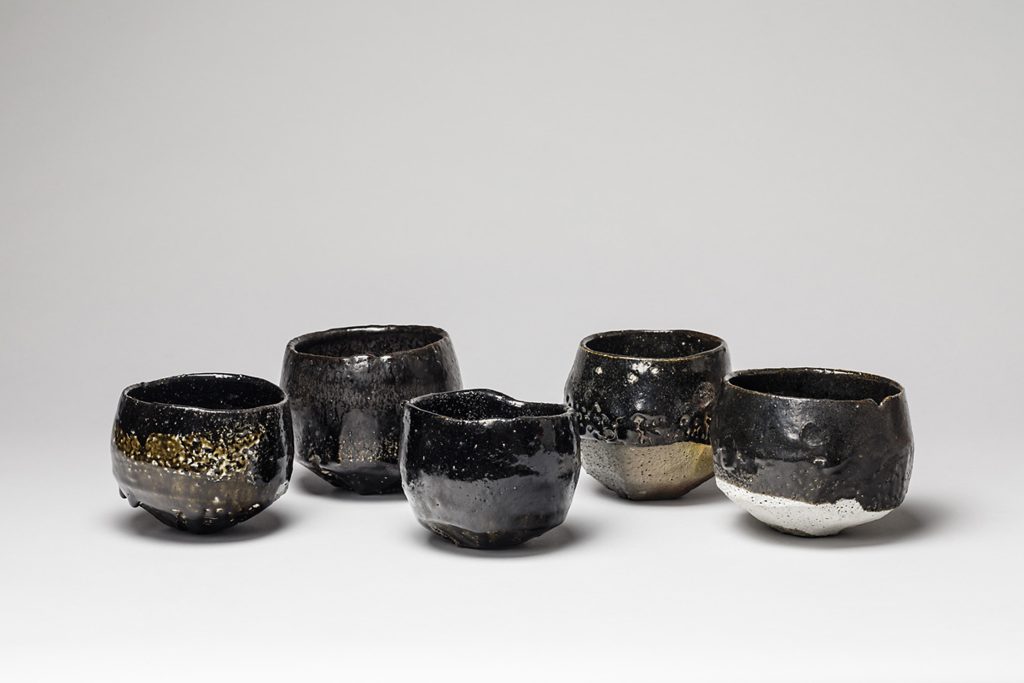 Camille Virot - Black bowls group, raku, 2020
Galerie de l'Ancienne Poste is delighted to present ceramic artist Camille Virot's third solo exhibition in Toucy, featuring some thirty previously unseen works. In this latest stage in the artist's creative career, the bowl is once again in the spotlight - including the famous "Bol-genèse", revisited again and again.
Camille Virot was born in Franche-Comté in 1947. He studied ceramics at the Beaux-Arts de Besançon and then at the Arts Décoratifs de Strasbourg. In 1972, Camille Virot opened a studio in Haute-Provence, where he practiced Raku. Since 1976, he has been dividing his time between didactic work (courses and lectures in art schools) and the pursuit of personal plastic expression based on traditional Japanese Raku techniques. Since 1990, the artist has combined ceramics with other materials. In 2018, Camille Virot was one of the guests at the Parcours de l'Art in Avignon, presenting a highly acclaimed installation entitled "15 TÊTES & 50 états transitoires" at the Eglise des Célestins. His works can be found in numerous museums, FRACs and private collections. They will also be featured in a forthcoming exhibition at the Musée des Beaux-Arts in Lyon.
Catalogue de l’exposition “Le monde dans un bol”
Camille Virot in Connaissance des Arts
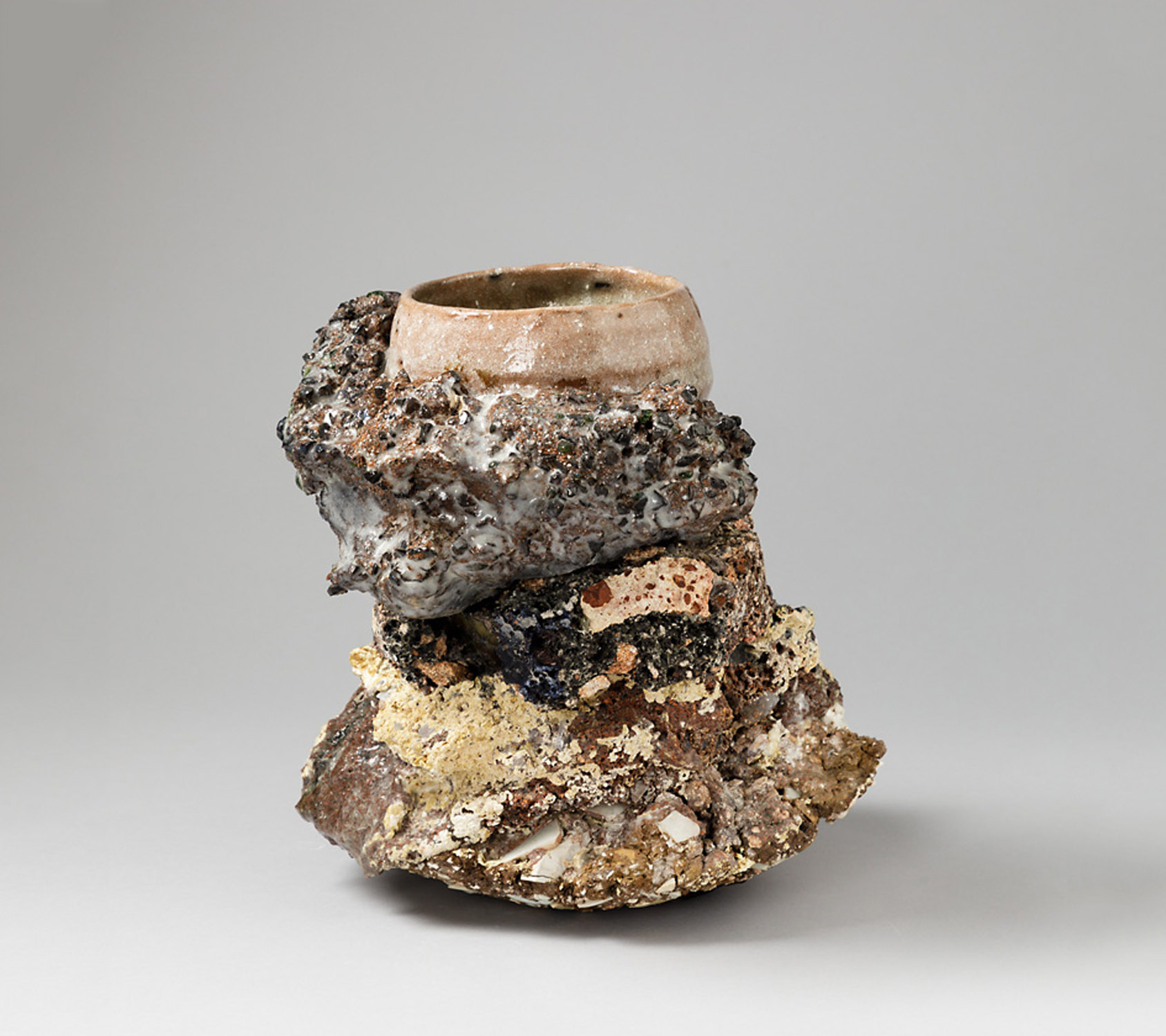
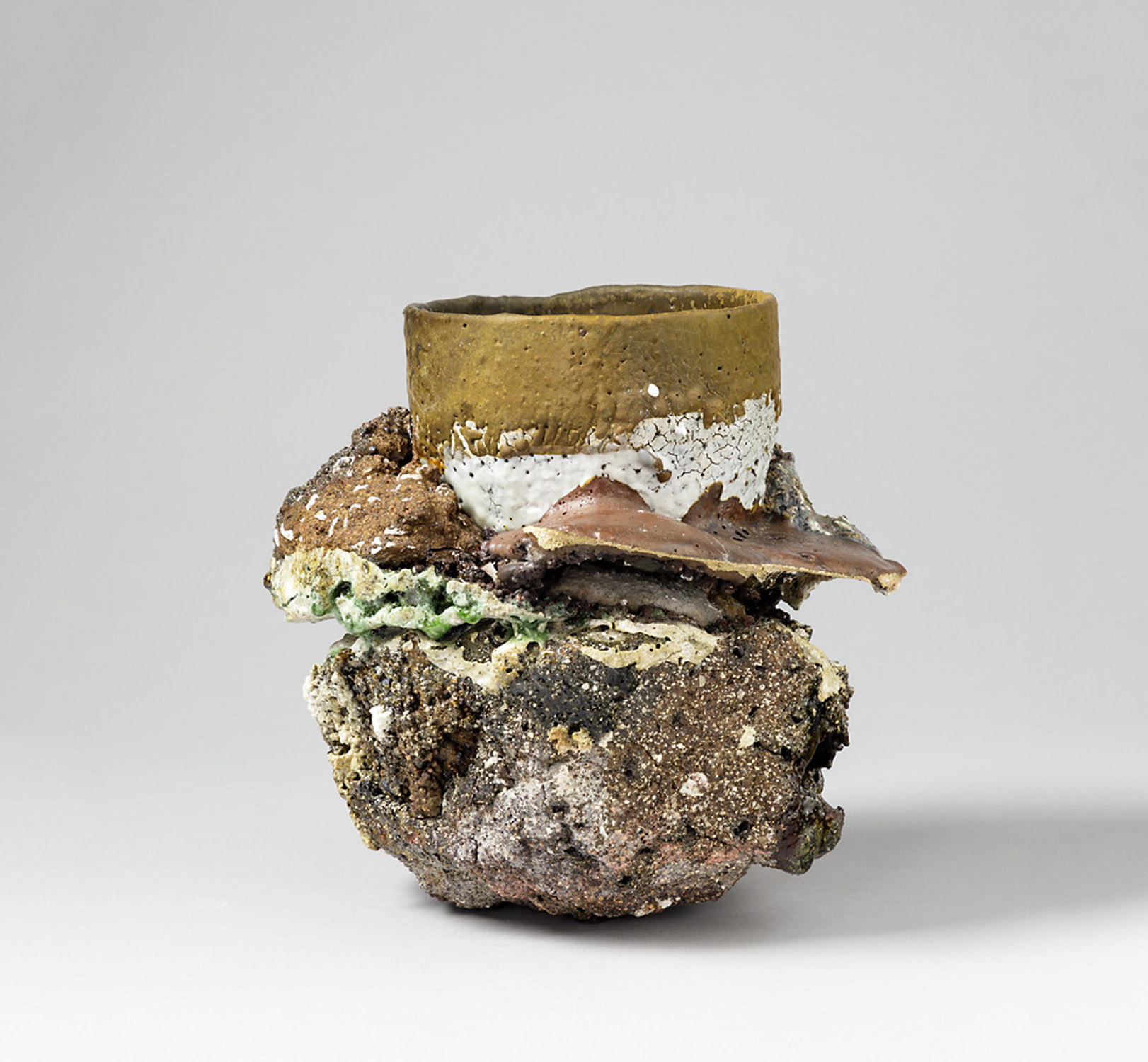
There are finished bowls and bowls in the making. But contrary to what should be, there is a manipulation of chronology. Right from the start - in the '70s - I made "finished" bowls, normal bowls, labeling myself after the traditional and notoriously Zen Japanese raku bowl. At that At the time, in 1979 to be precise, I entitled a magazine article "The world in a bowl", without any complexes there either... Then, in the 2000s, came bowls-genesis, a step backwards, a return to true origins, the bowl as a receptive hollowed-out rock, the first emerging bowl: made and cobbled together from "failed" finished bowls, ground, crushed, re-welded to make new from old - which is still my current preoccupation - so it's back to a starting point and accidentally in the recycling mode. But to remain confined to a ceramic universe, which is more sensitive than intelligible and reasonable, the bowls-genesis appear in a sedimentary environment where successive ritual actions give rise to differentiated strata that speak to, interfere with or contradict each other. The whole is then transfigured, frozen and shaken up by the volcanic periods of firing, multiplied and repeated like the hiccups of a volcano. As for today's "finished bowls", they resemble both abstractions of everyday bowls and manipulable images, a kind of monotype with a front and a back, a face and a back, lips, a belly and a foot - in other words, beings that look a little like us, rather like the bowls that Onisaburo fashioned by staring at his living model.
Camille Virot, preparatory reflections for the Toucy exhibition.
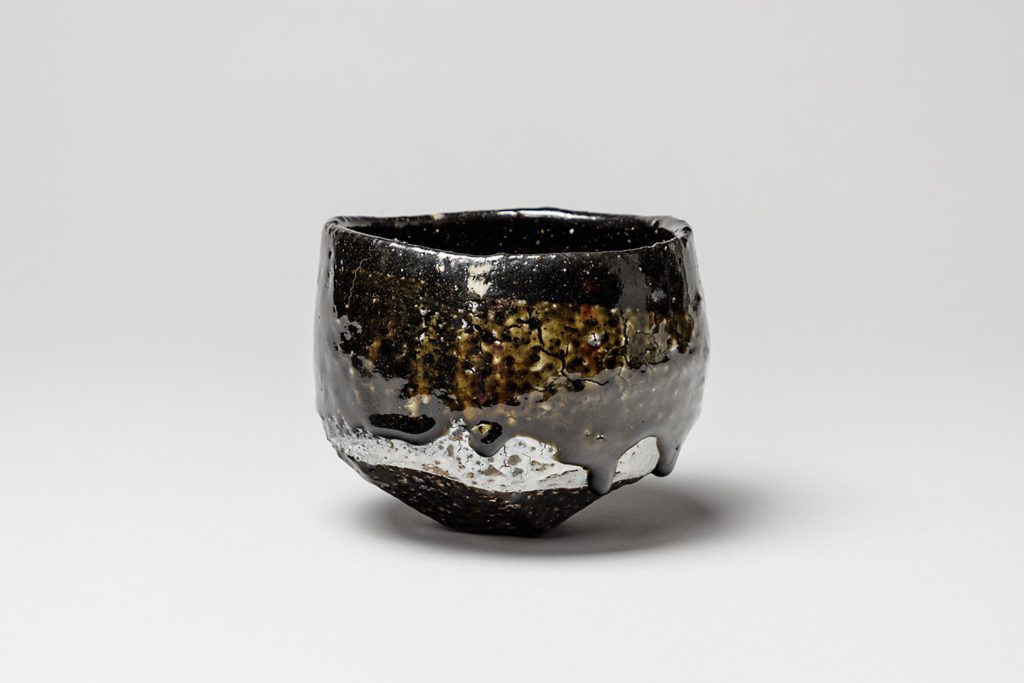 Camille Virot – Bowl 14, 2020
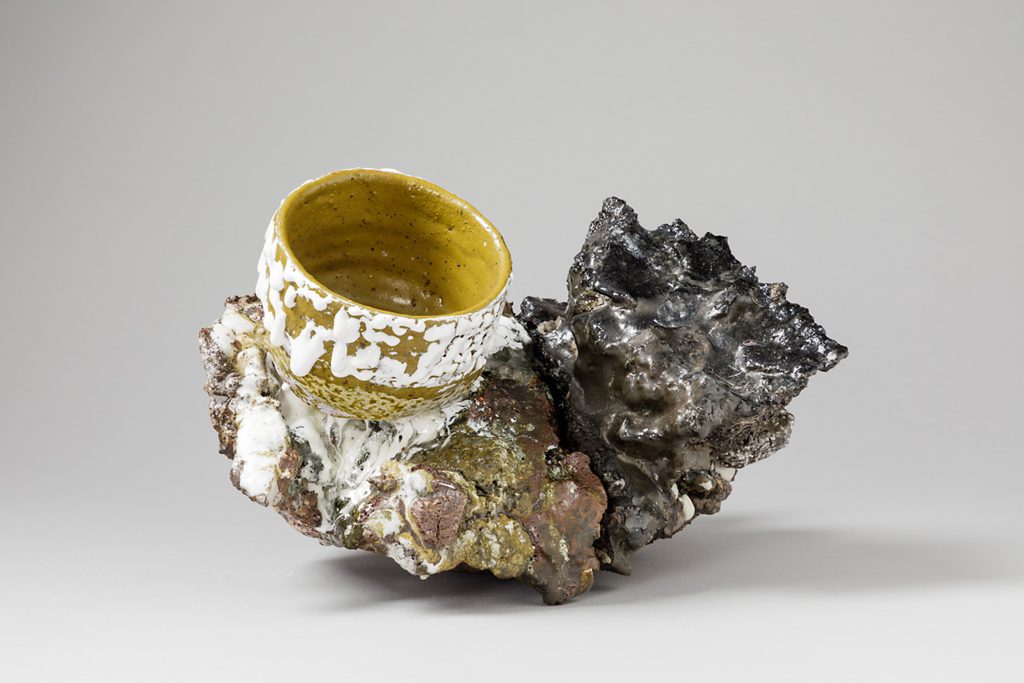 Camille Virot – Genesis bowl 2020
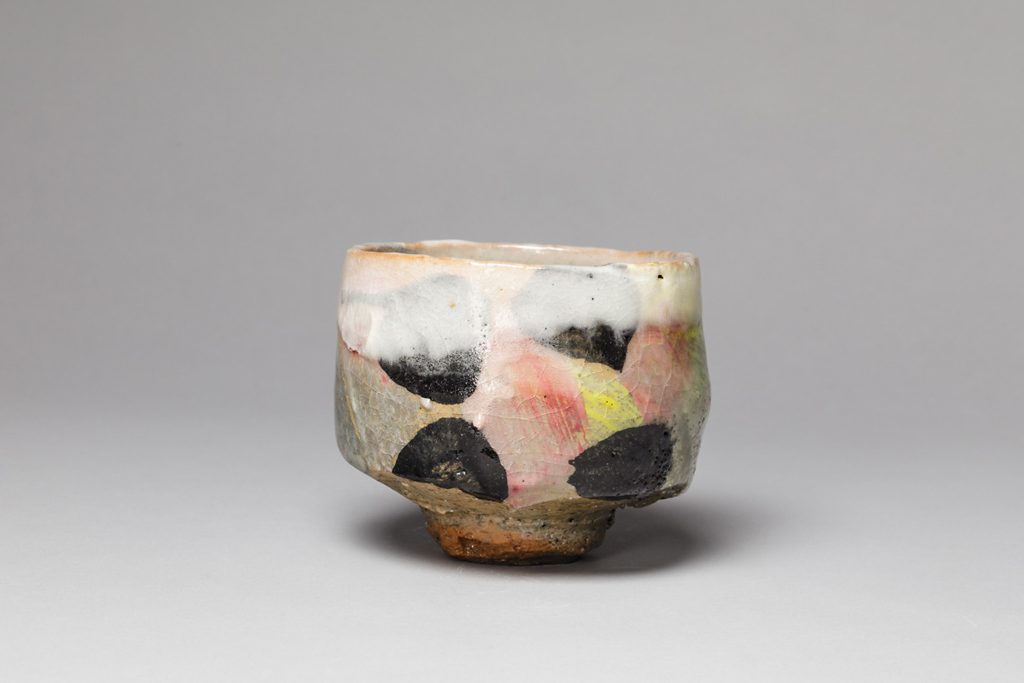 Camille Virot – Bowl 2, 2020
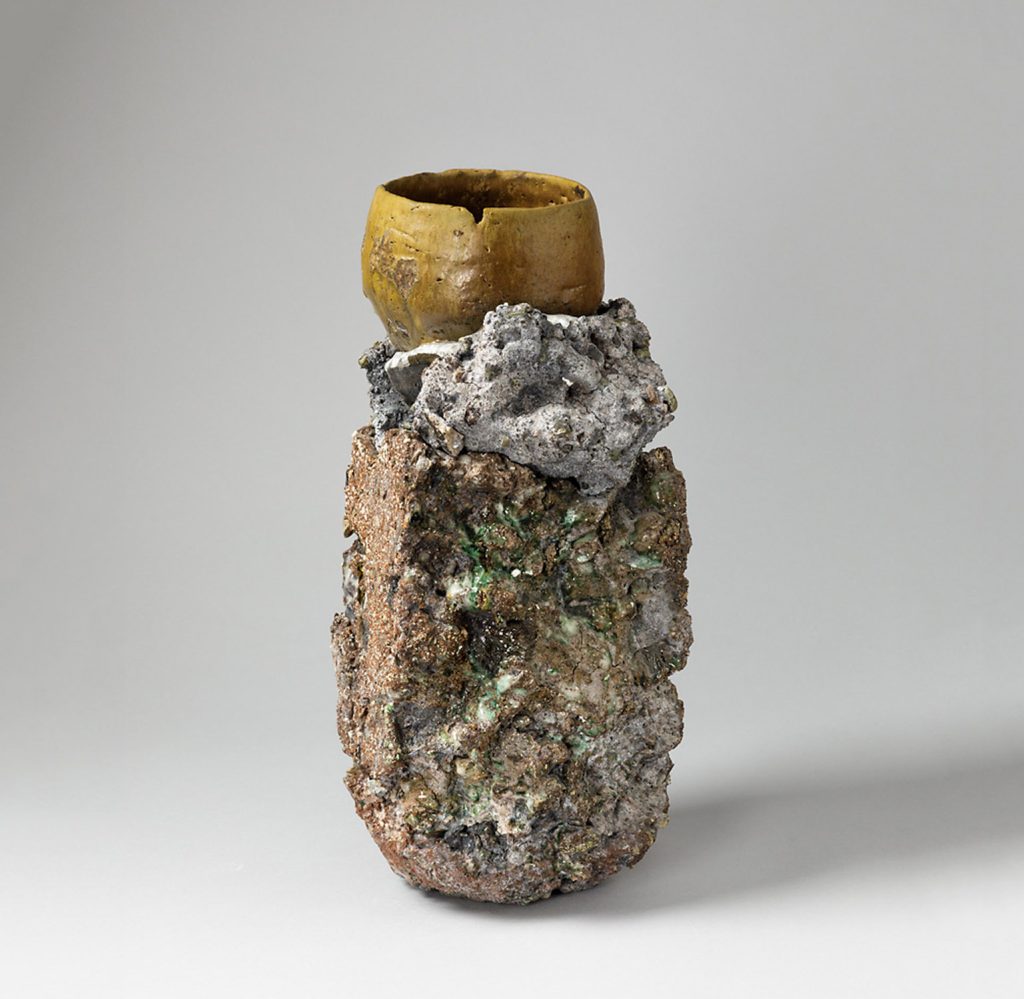 Camille Virot – Genesis bowl 2020
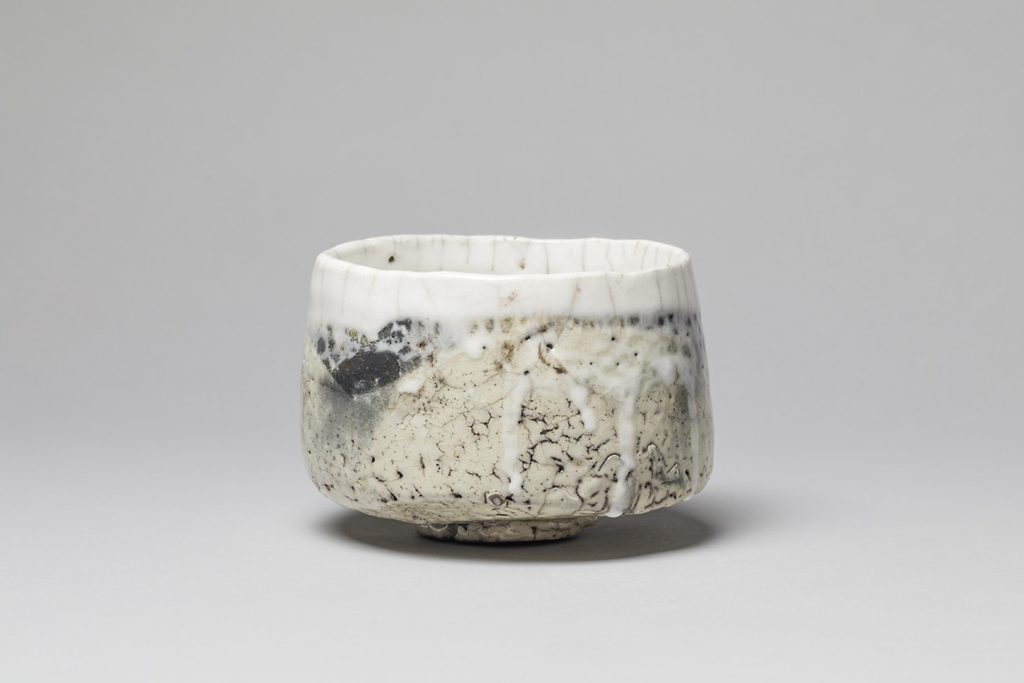 Camille Virot – Bowl 8, 2020
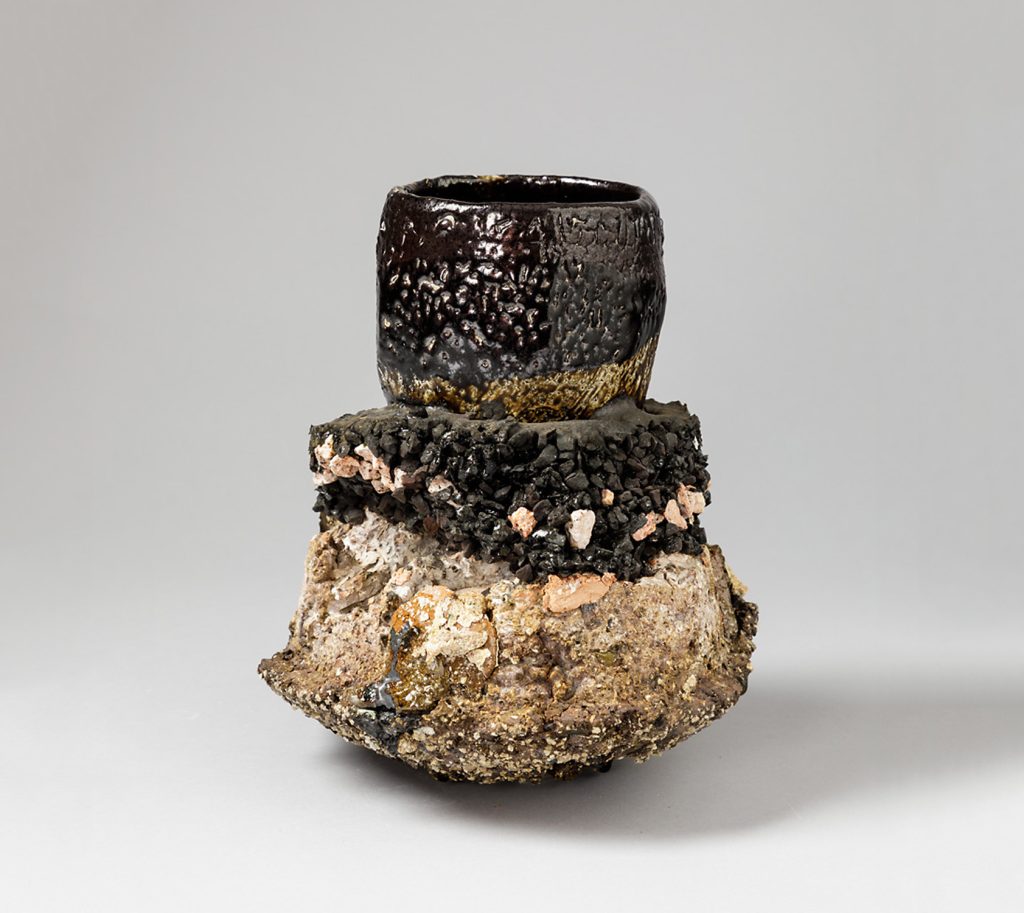 Camille Virot – Genesis bowl 2020
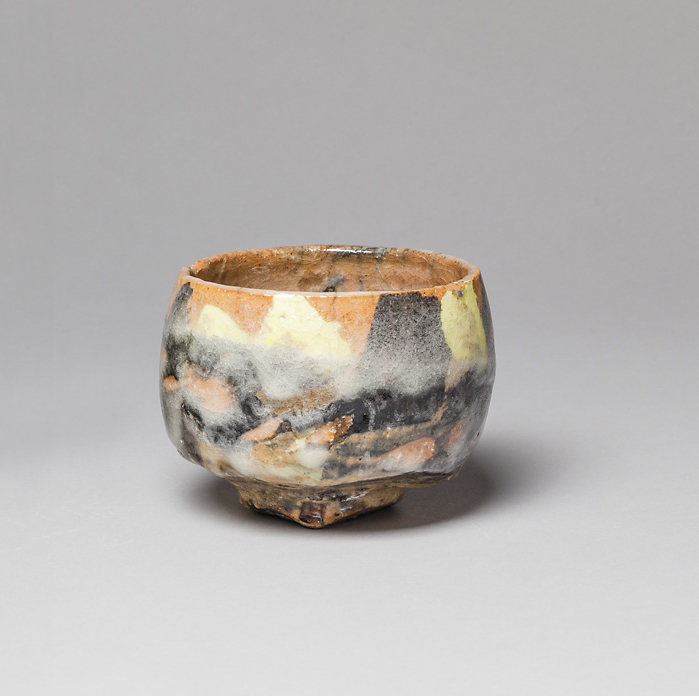 Camille Virot – Bowl 15, 2020
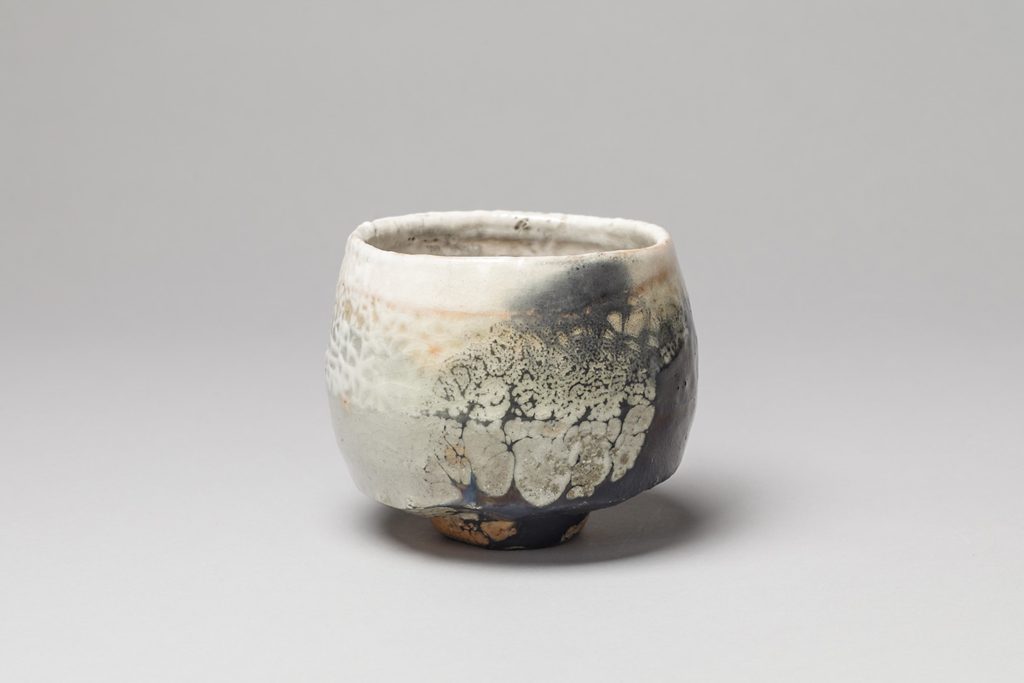 Camille Virot – Bowl 7, 2020
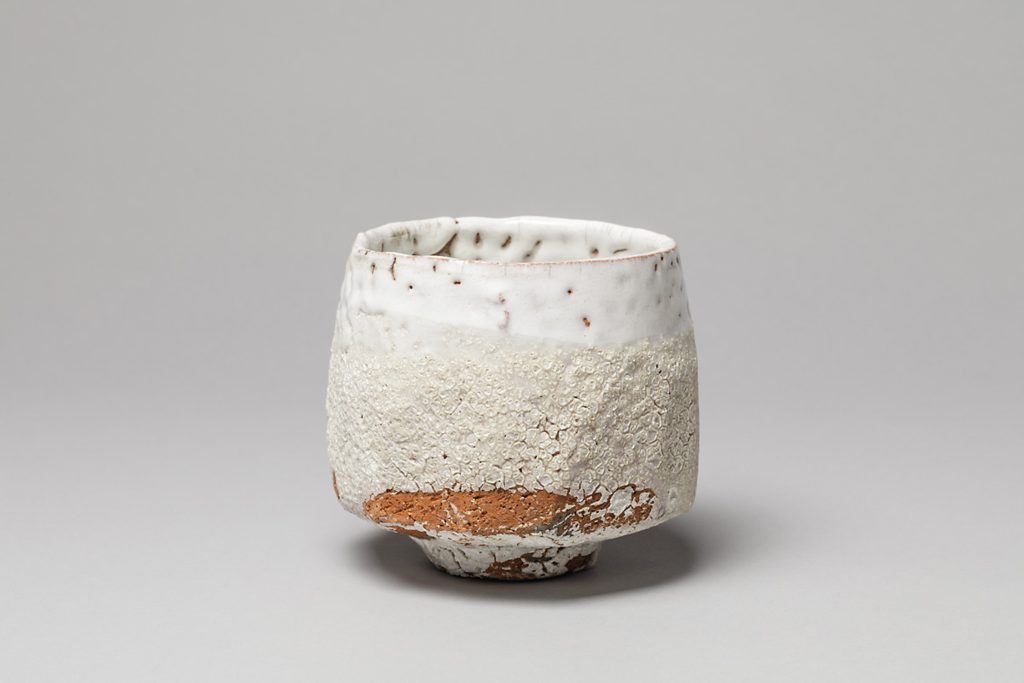 Camille Virot – Bowl 1, 2020
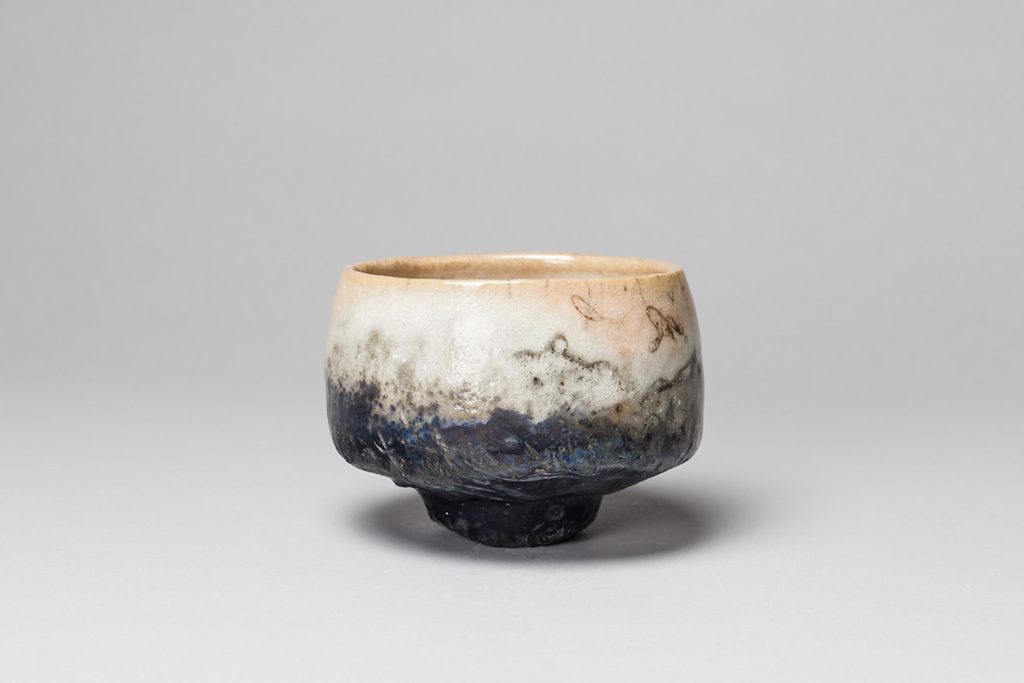 Camille Virot – Bowl 21, 2020
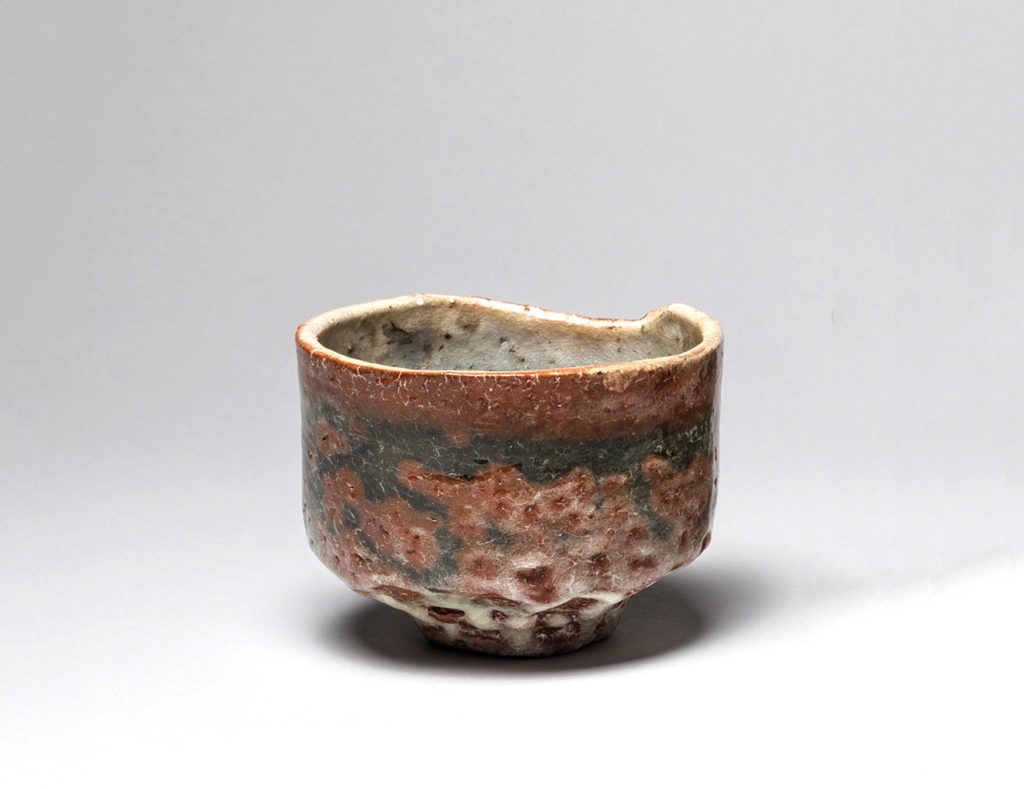 Camille Virot – Bowl 24, 2020
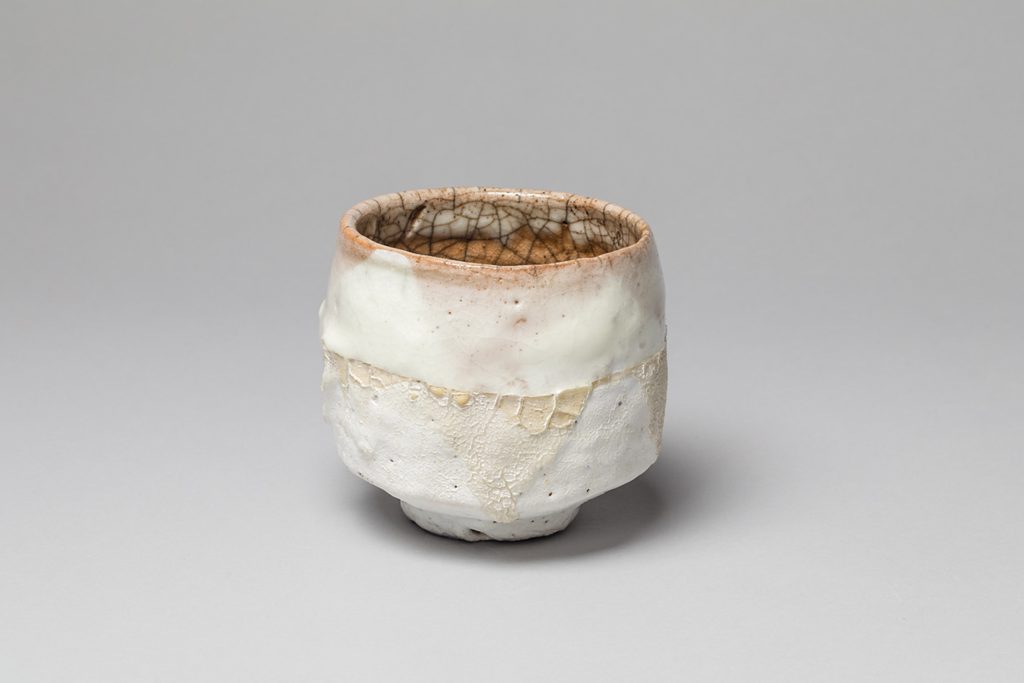 Camille Virot – Bowl 1, 2020