Flavie Van der Stigghel
Flight
May 24 - July 3, 2014
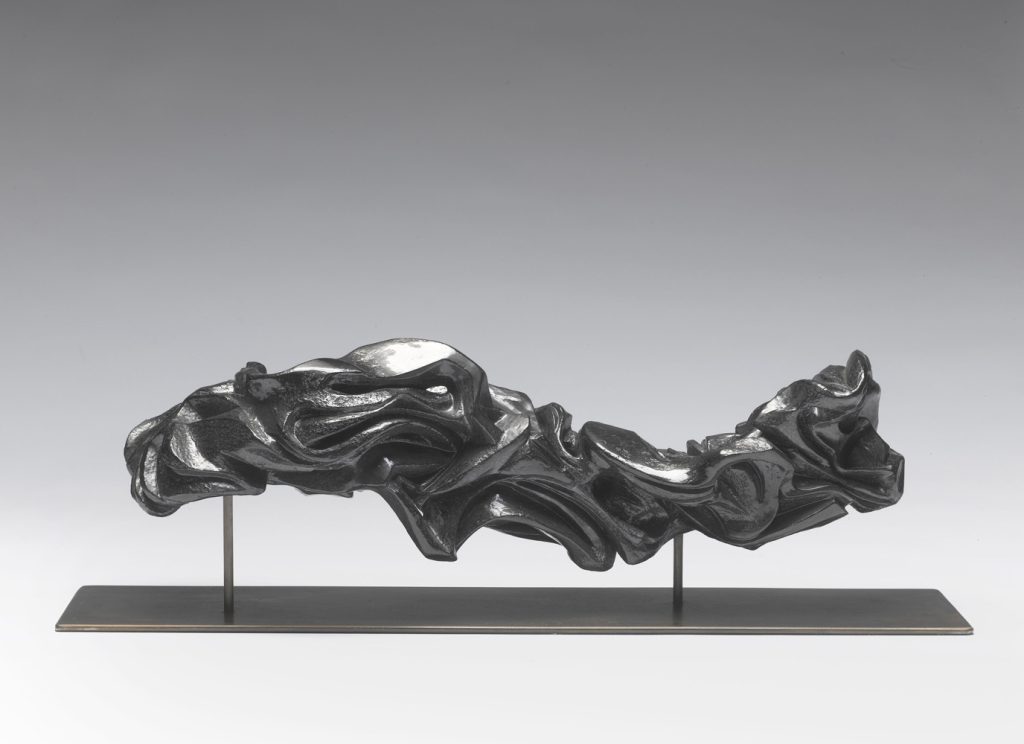 Flavie Van Der Stigghel – Passage 2013
Born in 1984 in Apt, Vaucluse, Flavie Van Der Stigghel showed an early talent for drawing, but it was in ceramic sculpture that she chose to express herself in 2005. Self-taught, she deepened her approach in artists' studios in the Alpilles region, where she worked and exhibited in particular with sculptor Guy Bareff and painter Gérard Drouillet. In 2012, she was selected to exhibit as part of the A-part Festival - Festival international d'Art contemporain en Alpilles-Provence, which included a section dedicated to contemporary ceramics: alongside works by artists such as Johan Creten, Elsa Sahal, Kristin McKirdy,... Flavie Van Der Stigghel's sculptures stand out for their strength and mastery. Today, Galerie de l'Ancienne Poste is devoting its first major solo exhibition to her, presenting some twenty sculptures created between 2011 and 2014: " Flight ".
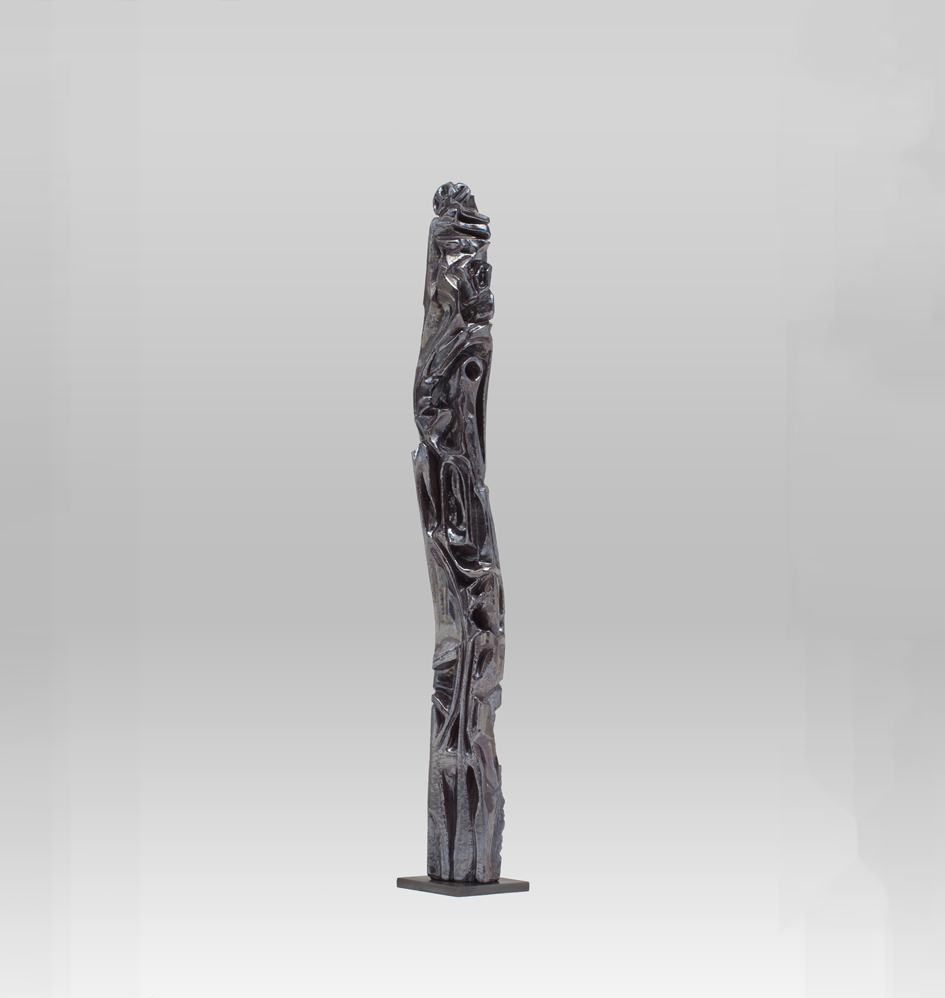
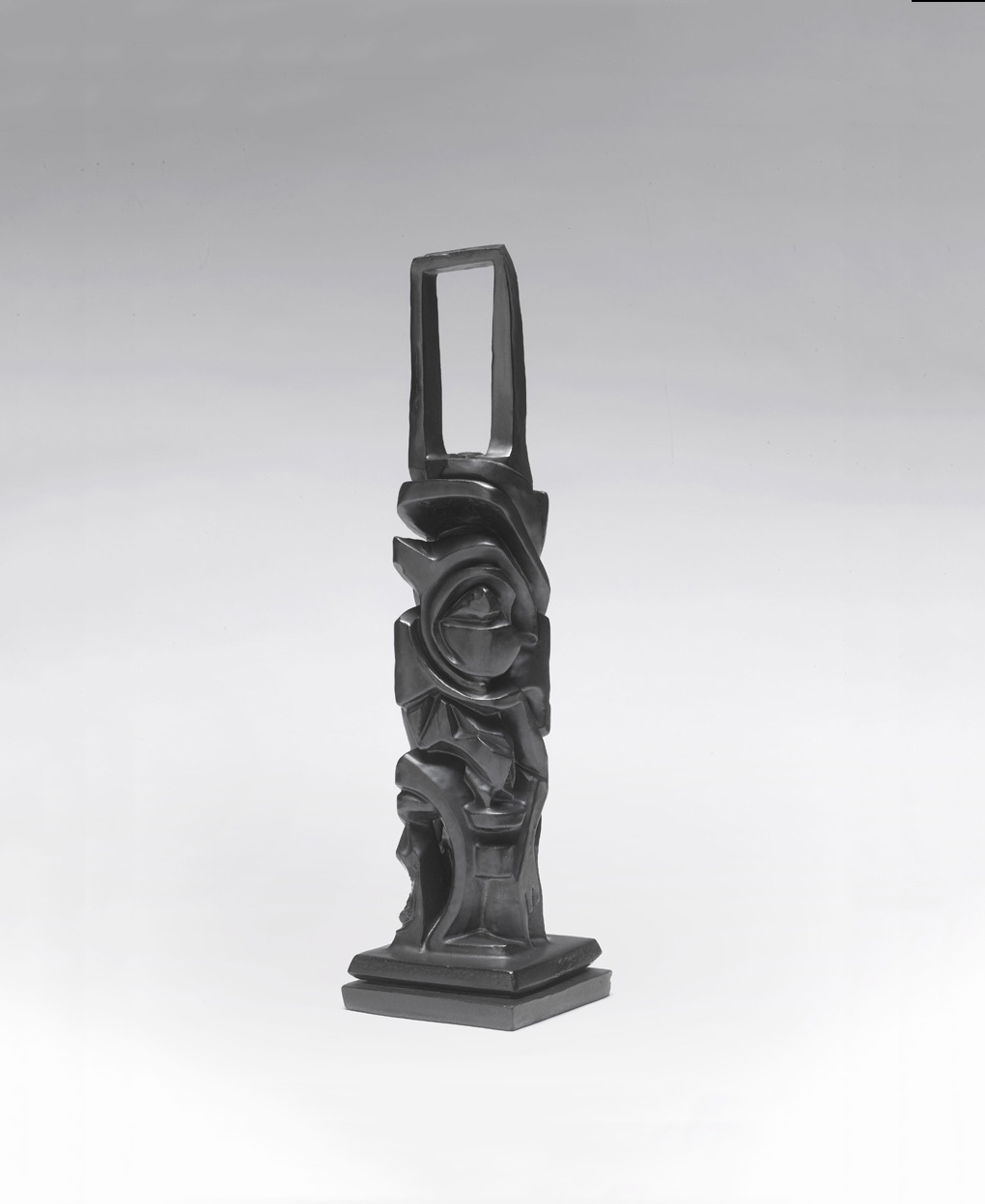
Flavie Van Der Stigghel challenges preconceived ideas and seeks to break away from perfection. Disappointed with a woman's body that's too well finished, she throws it to the ground to see a headless body emerge, an abstract form that's stronger, less smooth, and makes her own these writings by Alberto Giacometti in "La voiture démythifiée", Arts, n°639, 1957: "No sculpture ever dethrones any other. A sculpture is not an object, it is an interrogation, a question, an answer. It can be neither finished nor perfect. The question doesn't even arise. Sculpture is not, for me, a beautiful object, but a means of trying to understand a little better what I see, of trying to understand a little better what attracts me and amazes me in any head. (...) A little successful, a sculpture would only be a means of telling others, of communicating to others what I see. Flavie's new work demonstrates a search for simplicity, ellipsis and simplification, both in the line and in the volume itself. The result is a certain monumentality in her sculptures, meaning that almost all of them could be enlarged without any problem. They possess in themselves a strength that surpasses the artist. They no longer belong to him, yet remain totally accessible to the viewer.
Sylvie Caron
Exhibition curator
Excerpt from the exhibition catalogue
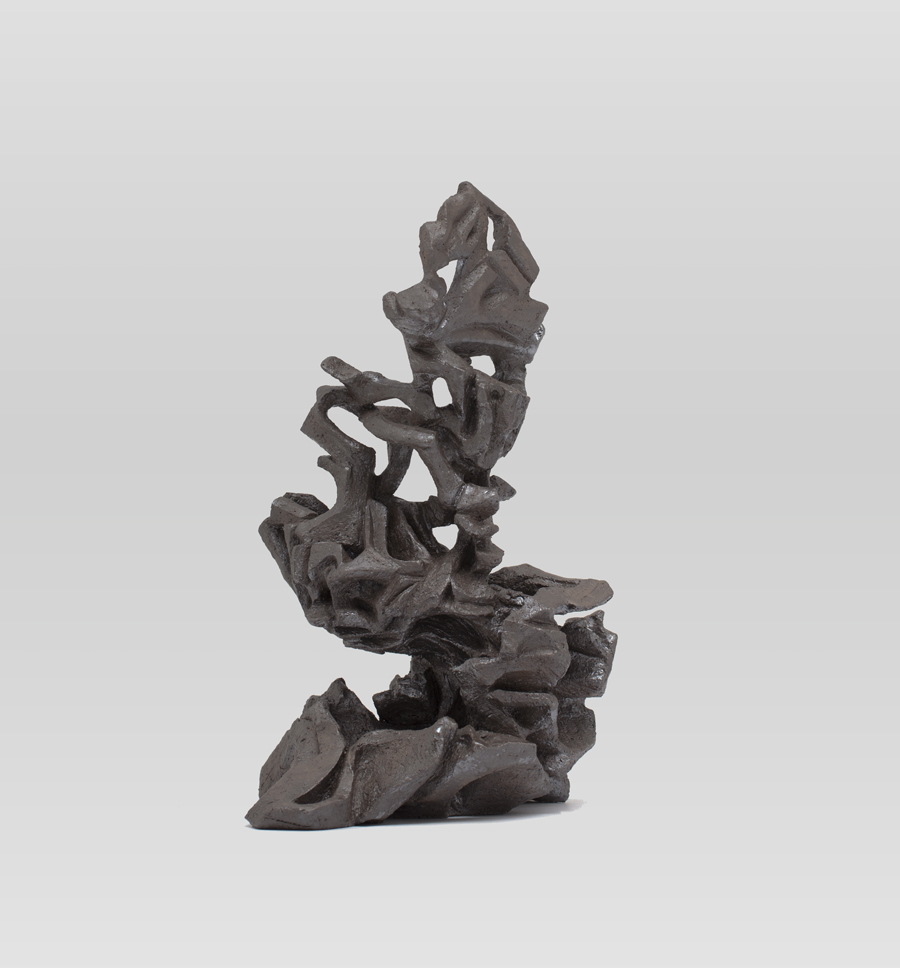 Flavie Van Der Stigghel – Ascension 2014
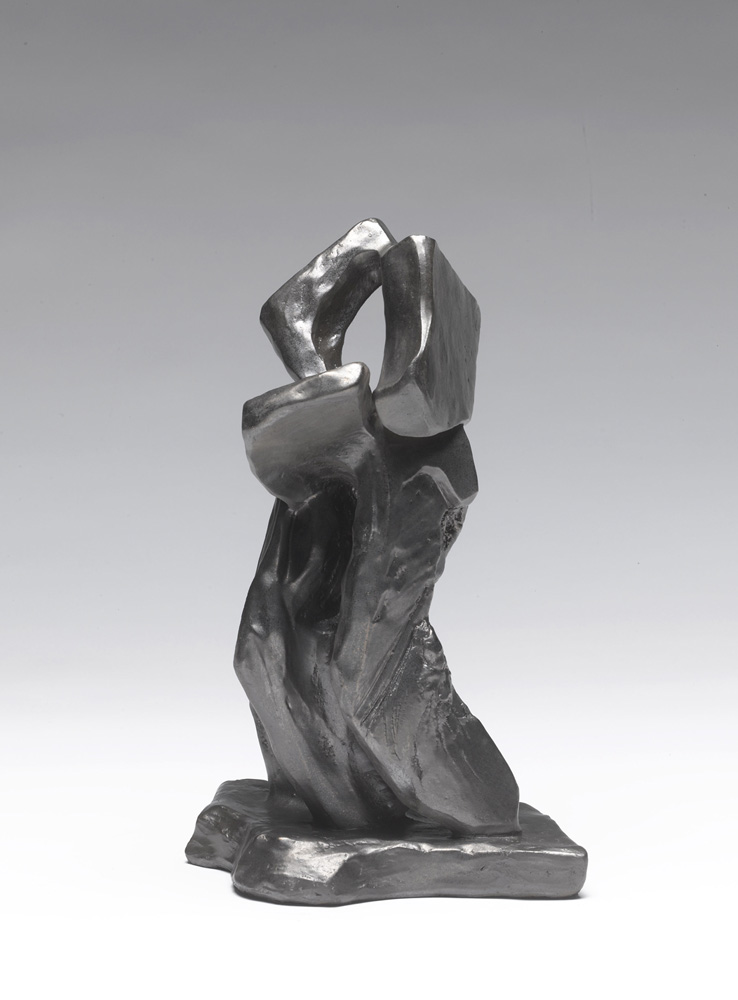 Flavie Van Der Stigghel – Présence 2013
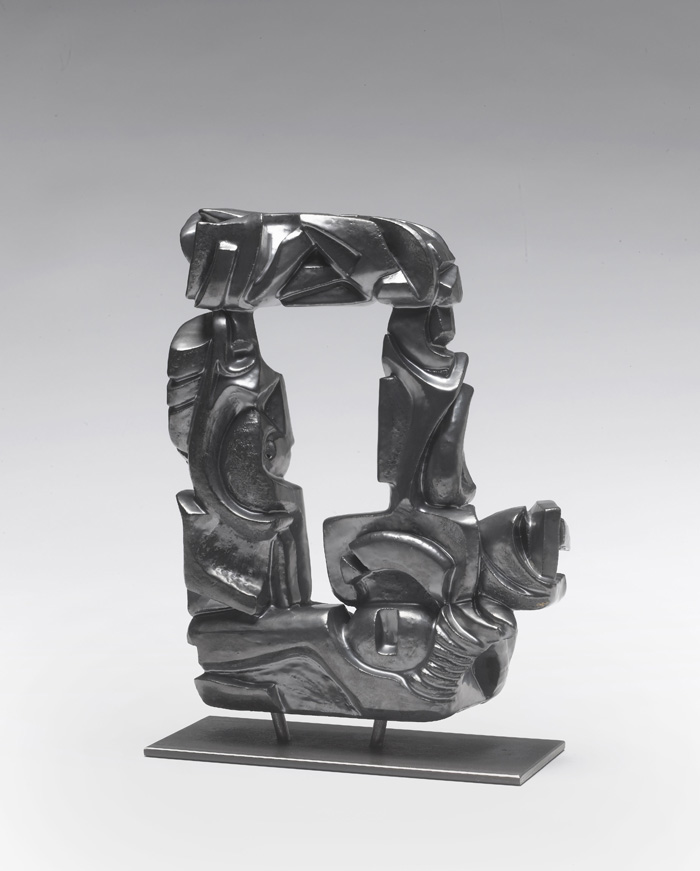 Flavie Van Der Stigghel – Porte 2013
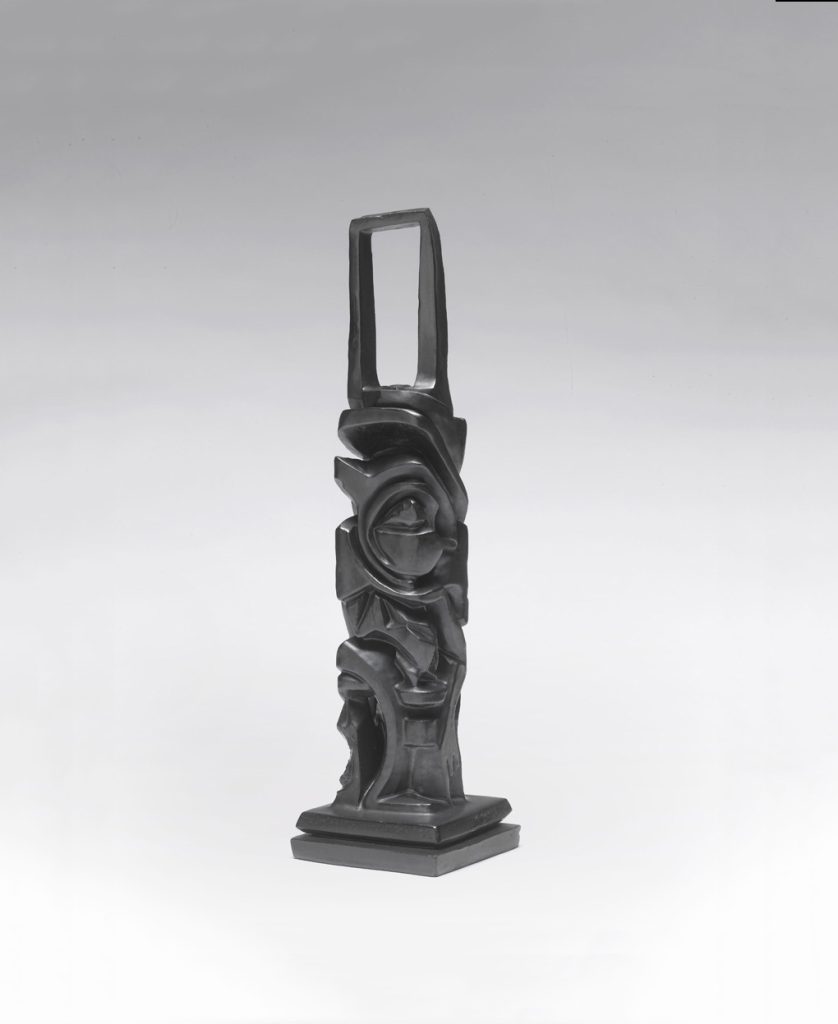 Flavie Van Der Stigghel – Roi indécis 2013