Karine Benvenuti
Sculptures
September 8 - November 8, 2012
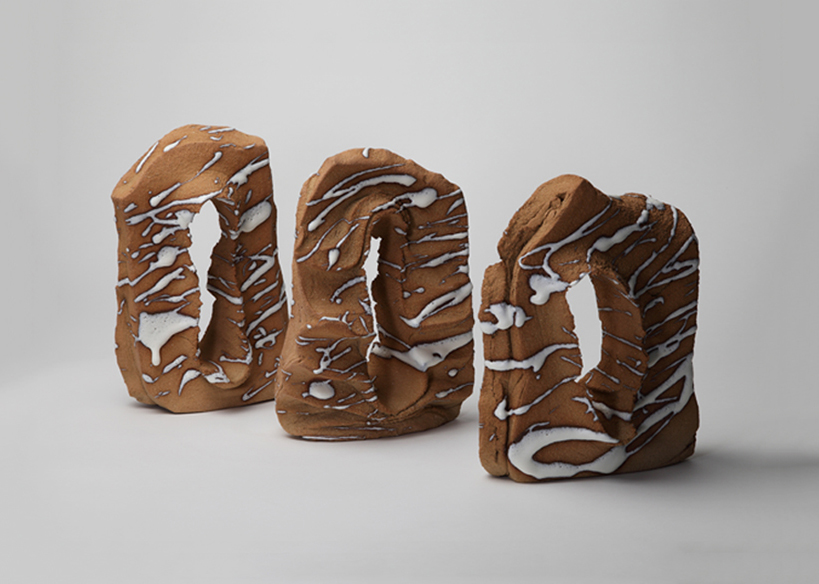 Karine Benvenuti. Triptych, white enamel sculpture on sandy clay, 26 to 28 cm
Born in Marseilles in 1959, Karine Benvenuti lives and works in the South of France. In recent years, her work has emerged significantly in the field of sculptural ceramics. Winner of the Ateliers d'Art de France prize in March 2012, Karine Benvenuti is one of the artists selected for the XXIIème Biennale internationale de création contemporaine & céramique de Vallauris. Galerie de l'Ancienne Poste devotes a solo exhibition to his latest creations.
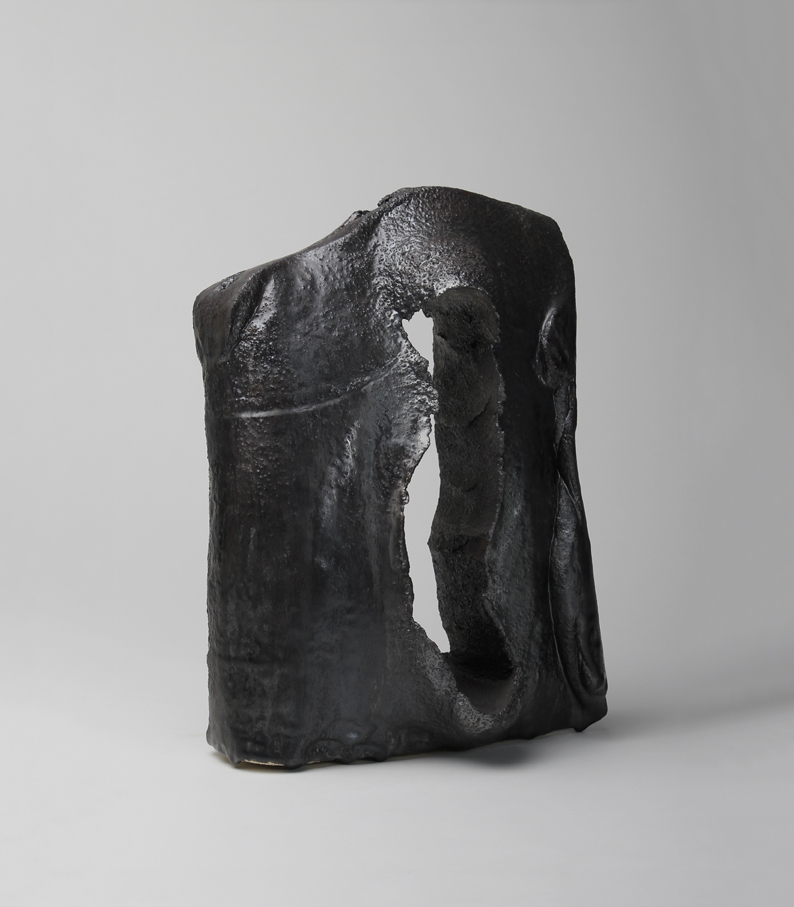
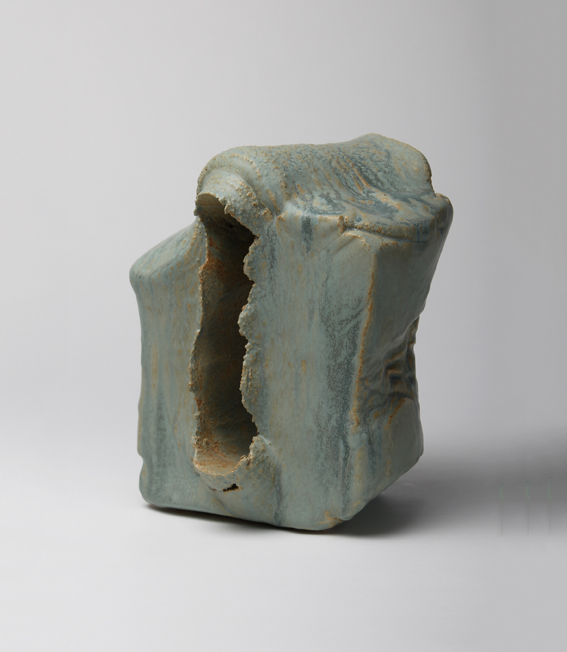
Sculpteur céramiste, Karine Benvenuti inscrit résolument son travail dans les problématiques de l’art de notre temps. De la céramique, elle retient l’essentiel, le spécifique : la matière, les gestes, et plus généralement les mouvements et actions du corps à l’œuvre, les colorations -celles de la matière, et celles, réduites au minimum, des colorants- et la gestion du feu. Retenir l’essentiel : autant dire se débarrasser de l’anecdotique, du plaisant, du séduisant, de l’immédiatement utilitaire. Retenir l’essentiel pour participer à une redéfinition, ou une refondation, de la céramique. Retenir l’essentiel, comme pour atteindre le moment et le lieu, l’utopie d’une origine.
La céramique de Karine Benvenuti est une céramique d’avant le tour, un travail sur la masse, ou en élaboration de masse, à la recherche d’un antérieur de la forme, ou de cet instant “génétique” où une forme commence à naître, là où ne semblait apparaître aucune forme. La céramique -la terre- comme lieu de l’origine des formes, le territoire des archétypes. Les œuvres de Karine Benvenuti ne portent pas la “trace” de l’action du corps. Chacune est la forme définitive et définitivement juste d’un rêve d’harmonie : et cette forme est réussie dès lors qu’elle nous renvoie l’image d’un désir, et qu’elle creuse en nous, en même temps que la frustration de son assouvissement, la permanence du désir.
Les œuvres de Karine Benvenuti n’accrochent pas l’œil – elles le happent; comme le font ces “pierres trouvées”, ces suiseki, qui se révèlent au promeneur attentif et dont l’Extrême-Orient a su faire un art, ou celles, peut-être, qui sont à l’origine des Churingas aborigènes. Elles ont cette improbable évidence des faits de nature que l’attention, le travail ou la méditation peuvent charger d’humanité et de culture pour en faire des viatiques pour les voyages d’aujourd’hui. “
Raphaël Monticelli
Writer, art critic.
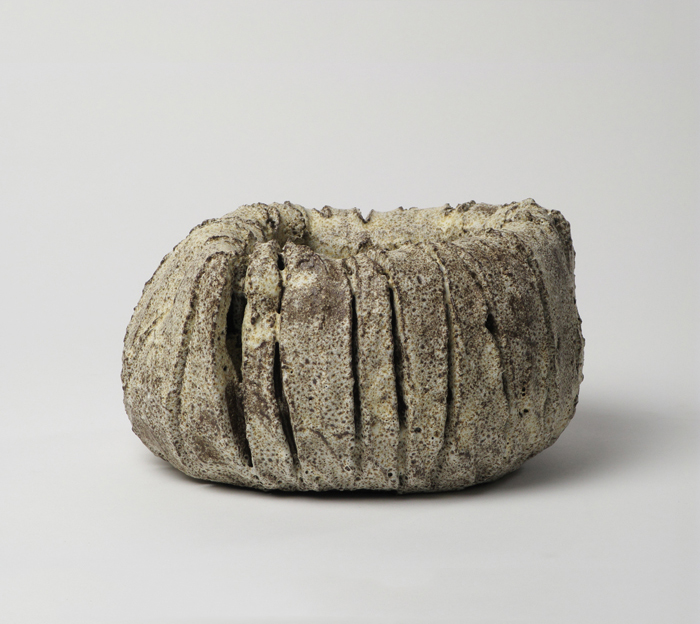 Karine Benvenuti, Flat vase
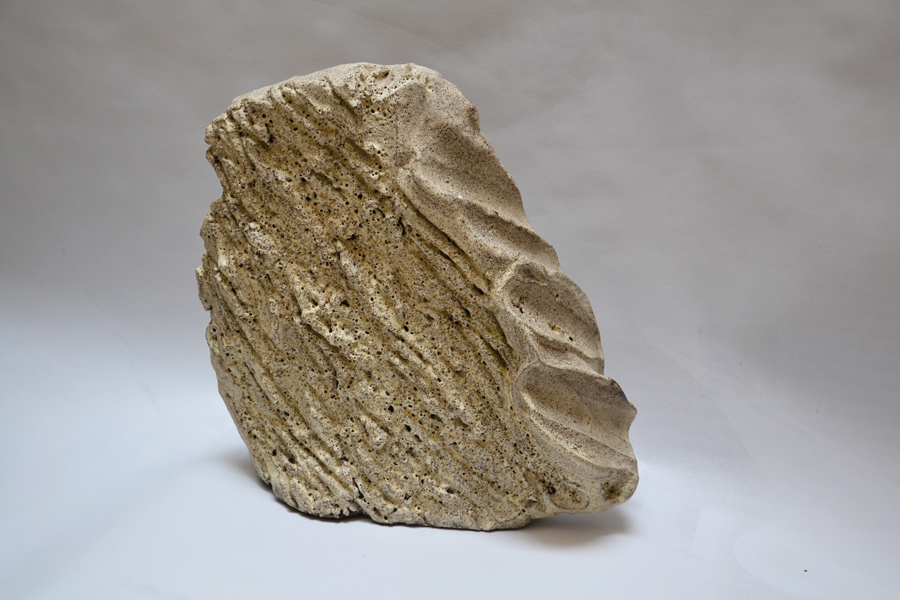 Karine Benvenuti, Untitled
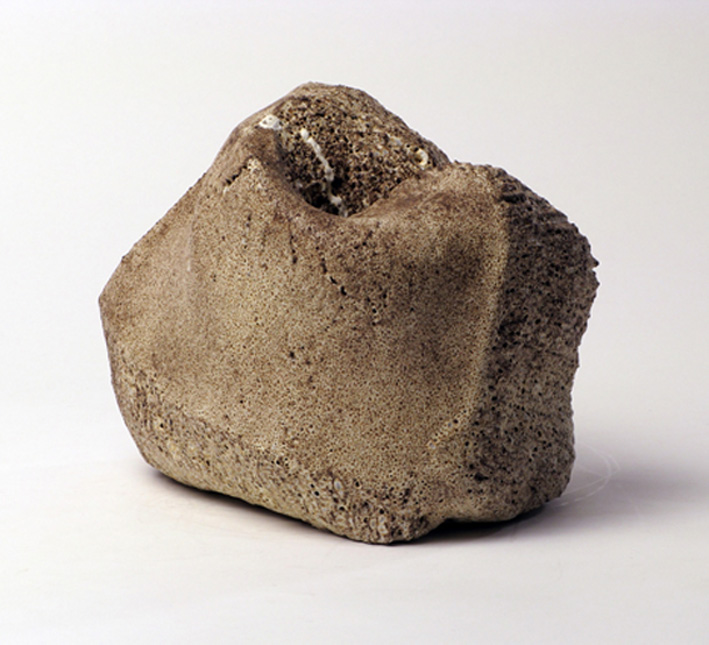 Karine Benvenuti, Untitled
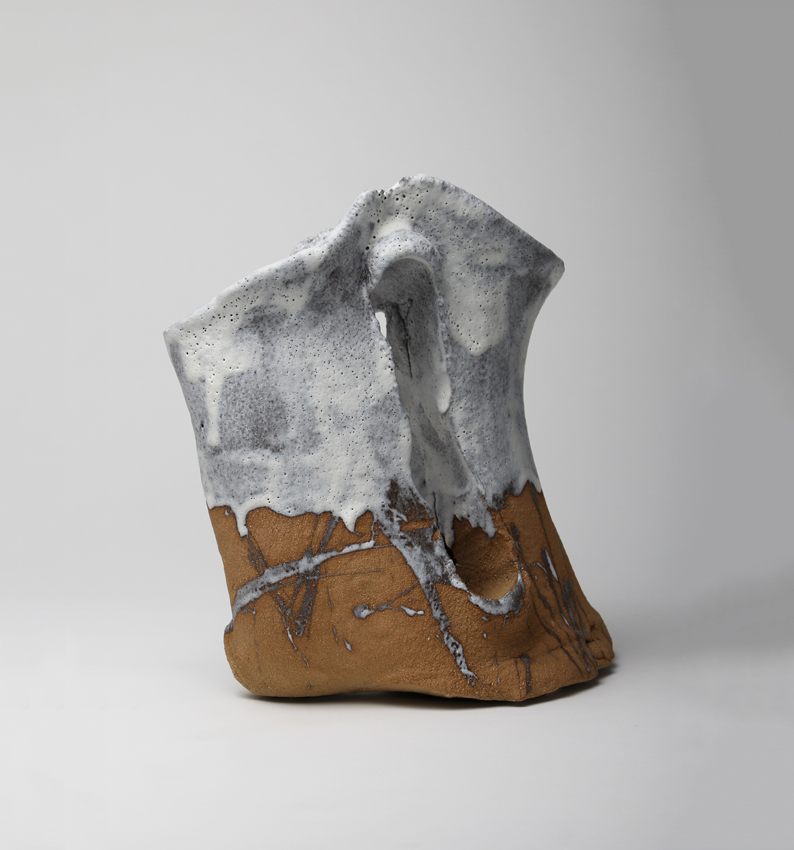 Karine Benvenuti,
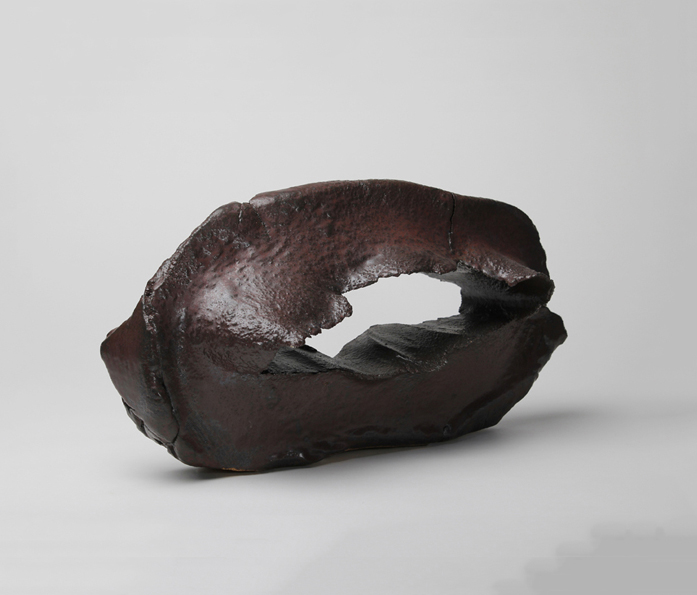 Karine Benvenuti – Sans titre
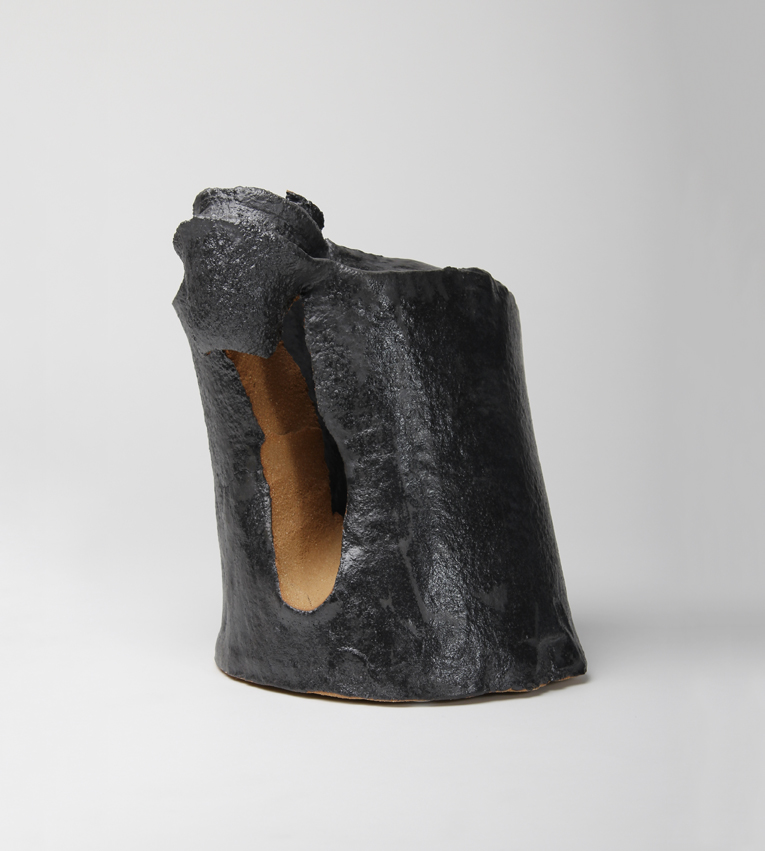 Karine Benvenuti, Untitled
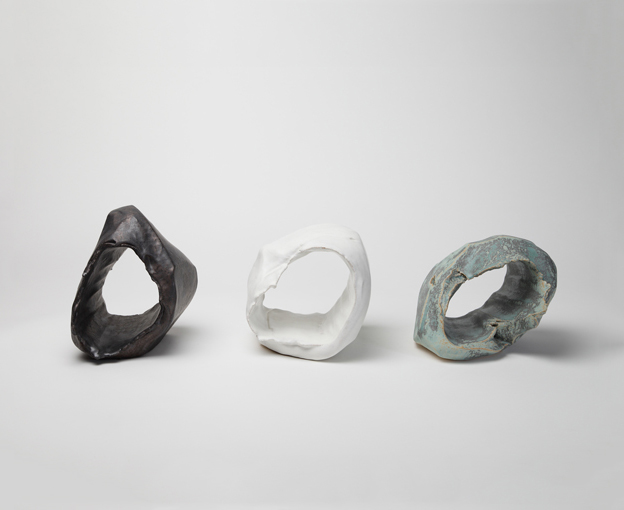 Karine Benvenuti – N°20
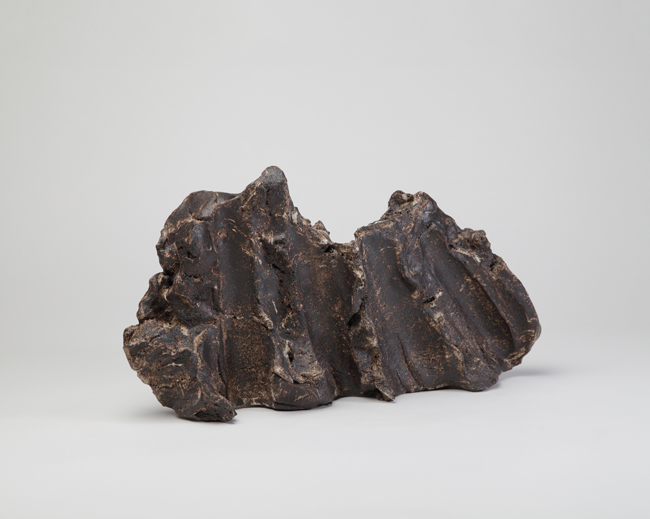 Karine Benvenuti